How to Choose the Right Commercial Roof System
Choosing a commercial roof system is rarely a simple product decision. It is usually a building decision, a maintenance decision, and sometimes a timing decision. Owners often start by asking what roof they should install, but in practice the better first question is whether the roof truly needs replacement at all, or whether the building would be better served by repair, targeted maintenance, and closer inspection.
That distinction matters because commercial roofs do not fail all at once. They usually tell you what is happening if you know where to look. Persistent leaks, visible surface deterioration, and trouble at vulnerable details such as flashing and penetrations are not cosmetic annoyances. They are signs that the roof may no longer be performing as a weatherproof system. On the other hand, isolated issues can sometimes be corrected before they grow into larger structural or moisture problems. Good judgment starts there.
I have seen owners spend too long trying to squeeze another year out of a roof that was already giving them clear warnings. I have also seen people assume every leak means total replacement, only to learn that the actual water entry point was somewhere else entirely. A sound choice comes from careful inspection, honest condition assessment, and a clear understanding of what the building needs now and what it will need over the next several years.
Start with the roof you already have
Before comparing any replacement options, you need a reliable picture of the roof’s current condition. Age matters, but age by itself does not decide the answer. A roof should be judged by both its age and visual inspection. That combination is important because two roofs installed at the same time can be in very different shape depending on wear, past repairs, moisture exposure, and how well vulnerable details have held up.
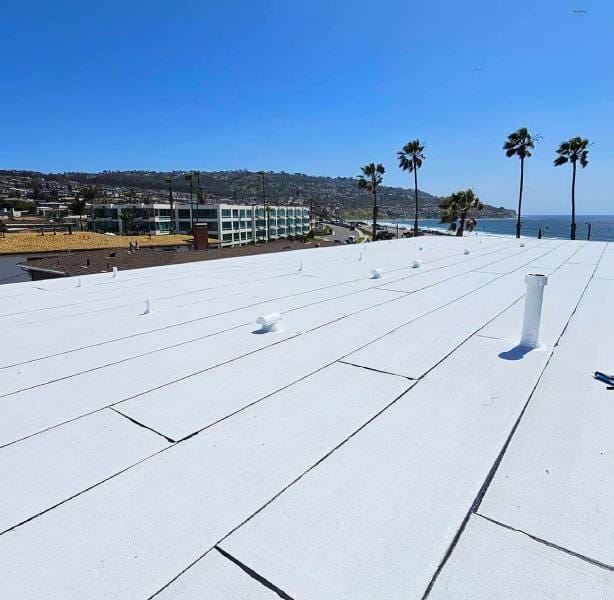
Annual inspection is one of the most practical habits a building owner can adopt. It sounds basic, but it changes the quality of the decisions you make. Inspections are meant to identify weakness, deterioration, hazards, and repairs before problems worsen. They help catch moisture issues, failed flashing, and localized trouble early, which can extend roof life and prevent Atlas Roofing Services a manageable problem from turning into a broader failure.
If there has been no regular inspection history, choosing a roof system becomes harder because you are making a major decision with incomplete information. In that situation, slow down. Gather facts first. A commercial roof is too expensive, and too important to the building envelope, to be chosen based on guesswork or panic after the latest leak.
The signs that push a roof from repair territory into replacement territory
A lot of frustration in commercial roofing comes from treating major deterioration like a minor service call. There is a point where patching stops being prudent and starts being avoidance. The most common warning signs are usually visible well before a full crisis.
- Persistent leaks that continue after repairs
- Visible surface deterioration
- Failures at flashing and penetrations
- Clear evidence that the roof is no longer weatherproof
- Damage serious enough that it goes beyond isolated repair needs
These are not subtle clues. If the roof is no longer keeping water out consistently, the discussion should shift from “How many more patches?” to “What is the most sensible next step for the building?” In some cases, replacement will be the right call. In others, a more thorough investigation may show that the problem is narrower than it first appeared. Either way, the decision should rest on evidence, not optimism.
One point that deserves emphasis is the difference between a leak report and a leak diagnosis. Water does not always show up where it gets in. That is why a thorough investigation by qualified roofing professionals or consultants matters. If a roof leak occurs, the actual source of water entry needs to be determined before anyone can say with confidence what repair is required. That principle should guide both repair decisions and replacement decisions. If you replace a roof system without understanding the true failure points, you may spend a lot and still miss the root problem.
A roof system is not just material, it is performance
Owners often focus on the visible surface because that is what they can see from the invoice or the proposal. But a commercial roof system should be chosen as a weatherproofing system for the building, not as a stand alone product label. The practical test is simple: can it protect the building reliably, and can it be maintained and inspected in a way that makes sense over time?
That is why the condition of details matters so much. Flashing and penetrations are repeatedly cited as vulnerable areas because roofs usually fail at transitions and interruptions before they fail everywhere at once. A roof that looks passable across the main field can still perform badly if those details are failing. When comparing options, the quality of how the system will handle those points is at least as important as the broad description of the roof itself.
This is also where building specific judgment comes in. Commercial buildings are not interchangeable. Replacement and repair requirements can vary by building type, and local permitting processes may apply differently depending on the project. In Seattle, for example, some repairs for detached one and two family houses may not require a permit if there are no building envelope changes, but commercial projects are handled through the city’s permitting process. Even if you are not in Seattle, the lesson holds: local rules can shape what is practical, what must be reviewed, and how the job should be planned.
Why maintenance history should influence your choice
A roof system should be chosen with its future care in mind, not just its installation date. That may sound obvious, but it is often overlooked when people are tired of dealing with leaks and want the fastest path to a “new roof.” The better question is whether the next system will be inspected consistently and maintained before problems become large.
Maintenance extends roof life because it catches trouble while it is still local. Moisture intrusion, deteriorated areas, and failed flashing can often be addressed earlier when someone is looking for them. When no one is looking, small issues gain time. Time is what turns a nuisance into a major expense.
If a building owner has struggled to keep up with annual inspections, that reality should inform the roof decision. You do not need a perfect maintenance program, but you do need a realistic one. There is no value in selecting a replacement strategy that only works well if it receives attention the building is unlikely to get. A roof should fit the operating habits of the property as much as the specifications on paper.
I have watched this play out on buildings where ownership changed hands several times in a short period. Each owner inherited partial records, a few old invoices, and a general sense that the roof had “been worked on.” By the time someone finally ordered a serious inspection, there were years of unresolved moisture and repeat patching layered into the story. The real cost was not just the roof work. It was the uncertainty. Regular inspection would have made every later decision easier.
Repair, recover, or replace, know what problem you are solving
One of the easiest ways to choose the wrong commercial roof system is to define the problem too loosely. “The roof leaks” is not enough. “The roof has isolated deterioration and failed flashing at specific details” is better. “The roof is no longer weatherproof and has persistent leaks despite repeated repairs” is better still. Precision helps.
If the issue is localized, a focused repair may buy meaningful time. If the condition shows widespread deterioration or recurring failure at multiple vulnerable areas, replacement becomes more reasonable. That line should not be drawn by frustration alone. It should be drawn by inspection findings, the roof’s age, and whether the building is still being protected reliably.
This is why experienced commercial roofing services begin with evaluation rather than sales language. The right partner will want to inspect, document what is happening, and explain whether the roof is a repair candidate or a replacement candidate. That conversation should feel specific. If it sounds generic, you probably do not have enough information yet.
Leaks deserve patience, not guesswork
Few things pressure an owner into a rushed decision faster than an active leak. Water inside a commercial building creates immediate stress because it threatens finishes, equipment, operations, and tenant confidence. The temptation is to approve the fastest visible fix. Sometimes speed is necessary in the moment, but diagnosis still matters.
A leak should trigger a thorough investigation by qualified roofing professionals or consultants to determine the actual source of water entry and the repair required. That advice is practical, not theoretical. Water paths are deceptive. It may appear at one ceiling tile while entering at a distant penetration or failing flashing detail. If you choose a roof system based only on where the leak showed itself indoors, you risk solving the wrong problem.
This is also one reason building owners should keep records of inspections and repairs. Patterns matter. If leaks repeatedly involve the same conditions, same detail type, or same section of roof, that history sharpens the next decision. If the incidents seem random but the roof is aging and visibly deteriorated, that tells a different story.
Weatherproofing is the baseline, not a premium upgrade
Some owners frame roof decisions in terms of budget first and performance second. Realistically, the order has to be reversed. A roof that is not weatherproof is a maintenance problem. In Seattle’s inspection framework, clear evidence of leaking or a roof that is not weatherproof is treated exactly that way. That is a useful standard because it cuts through wishful thinking. The basic function of the roof is to keep weather out. If it cannot do that consistently, the building is already paying the price.
This does not mean every imperfect roof needs replacement tomorrow. It means the conversation has to be honest. A roof system should be chosen to restore and preserve weather protection first. Aesthetic preference, habit, and even short term savings come after that.
Owners sometimes ask whether Atlas residential roofing it is worth waiting another season before making a decision. The sensible answer depends on condition, not calendar alone. A roof with minor repair needs and no signs of ongoing deterioration may allow time for planning. A roof with persistent leaks and failing details is telling you that delay carries its own cost.
Questions worth asking before you hire commercial roofing services
The quality of the decision depends heavily on the quality of the assessment. A strong contractor or consultant will welcome careful questions because the work should stand up to scrutiny.
- What did the inspection show about overall condition, not just the latest leak?
- Are the current problems localized, or do they suggest broader deterioration?
- What vulnerable details, such as flashing or penetrations, are failing?
- Is repair still a reasonable option, or has the roof moved into replacement territory?
- What permitting or inspection steps apply to this commercial project locally?
Those questions help separate a real evaluation from a rushed proposal. They also keep the discussion tied to defensible facts. Notice that none of them ask for a miracle lifespan promise. Commercial roofing is not served well by certainty theater. The better approach is to ask what the evidence supports right now, what work is needed, and what kind of follow up inspection schedule will protect the investment.
Permits and inspections are part of the decision, not paperwork after the fact
Owners sometimes treat permitting as an administrative step to deal with once they have chosen a roof system. In practice, it should be part of the choice itself because requirements vary by project and building type. Commercial work is not handled the same way as a small repair on a detached house, and local processes can affect timing, budgeting, and scope.
Inspections also do more than satisfy a formal requirement. They help keep buildings safe, accessible, and in good repair. From a roof perspective, that mindset matters. If your process for choosing a roof system does not include planning for future inspections, you are only solving half the problem.
A well chosen roof system is one that can be monitored sensibly over time. Annual inspection is a practical baseline. It creates a chance to catch deterioration or damage before it disrupts operations. It also gives you documentation, which is valuable when deciding whether a problem is isolated, repeating, or a sign of broader decline.
The right choice is usually the most informed one
People often hope there is a universal best commercial roof system. There usually is not. The right choice depends on the actual condition of the current roof, the presence or absence of persistent leaks, the state of flashing and penetrations, the maintenance history, and the local permitting environment. A building owner who understands those factors will make a far better decision than someone who starts with product labels and price alone.
If your roof has only minor repair needs, annual inspections and prompt maintenance may be the smartest investment. If there is clear deterioration, repeat leaking, and failure at critical details, replacement should be discussed seriously. If a leak has appeared but the source is uncertain, pause and investigate before committing to major work. That discipline saves money more often than haste does.
The best commercial roofing services tend to bring a calm, evidence based approach to this process. They inspect carefully, distinguish between repair and replacement conditions, and explain what they found in plain language. That is the kind of guidance worth paying for because a commercial roof affects far more than the top of the building. It affects every space below it.
Choosing the right commercial roof system is less about picking the most impressive sounding option and more about matching the building’s real needs with a defensible plan. Start with condition. Respect the signs of deterioration. Investigate leaks thoroughly. Plan for maintenance and annual inspection. Make room for permit and inspection requirements early. When you do those things, the final choice tends to become much clearer, and much more likely to hold up over time.